Gaming used to be a solitary activity, something you did alone in your room, lost in a virtual world. But times have changed, and gaming has become a social phenomenon. With the proliferation of online platforms and communities, gamers are now connecting with one another like never before – and it’s not just about winning or losing.
What is a Social Gaming Community?
So, what exactly is a social gaming community? At its core, it’s a group of people who share a passion for gaming and interact with each other through online forums, social media groups, and in-person meetups. These communities provide a space for gamers to discuss their favorite games, share tips and strategies, and collaborate on gaming projects. They’re a hub for like-minded people to connect, share ideas, and learn from each other’s experiences.
The Rise of Esports and Competitive Gaming
One of the key drivers of the social gaming community phenomenon is the rise of esports and competitive gaming. With the growth of professional gaming leagues and tournaments, gamers are now competing against each other on a global scale. This has created a huge demand for social spaces where gamers can connect with one another, discuss strategies, and learn from each other’s experiences. The thrill of competition is driving gamers to connect with each other in ways they never thought possible.
Online Platforms and the Democratization of Gaming
The proliferation of online platforms has also played a significant role in the rise of social gaming communities. With the advent of social media, streaming services, and online forums, gamers can now connect with each other from all over the world. This has democratized gaming, allowing people from different backgrounds and skill levels to join in and participate in the gaming community. For the first time, gamers can connect with others who share their passions, regardless of their location or level of expertise.
Real-World Connections and Offline Communities
While online communities are an essential part of the social gaming landscape, many gamers are also looking for real-world connections. In-person meetups, LAN parties, and gaming conventions are becoming increasingly popular, providing a space for gamers to connect with one another in a face-to-face setting. These events help to foster a sense of community and camaraderie among gamers, creating lasting relationships and memories. They’re a reminder that gaming is not just about screens and controllers – it’s about people connecting with each other.
The Dark Side of the Gaming Community
Toxicity and Harassment
Unfortunately, with the growth of gaming communities comes the risk of toxicity and harassment. Many online communities have struggled with issues of racism, sexism, and homophobia, creating a hostile environment for some gamers. However, many communities are taking steps to address these issues, implementing stricter moderation policies and fostering a culture of respect and inclusivity. It’s a reminder that gaming communities are not immune to the problems of the wider world – but they can also be a powerful force for positive change.
From the Living Room to the Betting Destination
One of the key drivers of the social gaming community phenomenon is the rise of esports and competitive gaming. With the growth of professional gaming leagues and tournaments, gamers are now competing against each other on a global scale. This has created a huge demand for social spaces where gamers can connect with one another, discuss strategies, and learn from each other’s experiences. The thrill of competition is driving gamers to connect with each other in ways they never thought possible.
Online Platforms and the Democratization of Gaming
The proliferation of online platforms has also played a significant role in the rise of social gaming communities. With the advent of social media, streaming services, and online forums, gamers can now connect with each other from all over the world. This has democratized gaming, allowing people from different backgrounds and skill levels to join in and participate in the gaming community. For the first time, gamers can connect with others who share their passions, regardless of their location or level of expertise.
Real-World Connections and Offline Communities
While online communities are an essential part of the social gaming landscape, many gamers are also looking for real-world connections. In-person meetups, LAN parties, and gaming conventions are becoming increasingly popular, providing a space for gamers to connect with one another in a face-to-face setting. These events help to foster a sense of community and camaraderie among gamers, creating lasting relationships and memories. They’re a reminder that gaming is not just about screens and controllers – it’s about people connecting with each other.
The Dark Side of the Gaming Community
Toxicity and Harassment
Unfortunately, with the growth of gaming communities comes the risk of toxicity and harassment. Many online communities have struggled with issues of racism, sexism, and homophobia, creating a hostile environment for some gamers. However, many communities are taking steps to address these issues, implementing stricter moderation policies and fostering a culture of respect and inclusivity. It’s a reminder that gaming communities are not immune to the problems of the wider world – but they can also be a powerful force for positive change.
From the Living Room to the Betting Destination
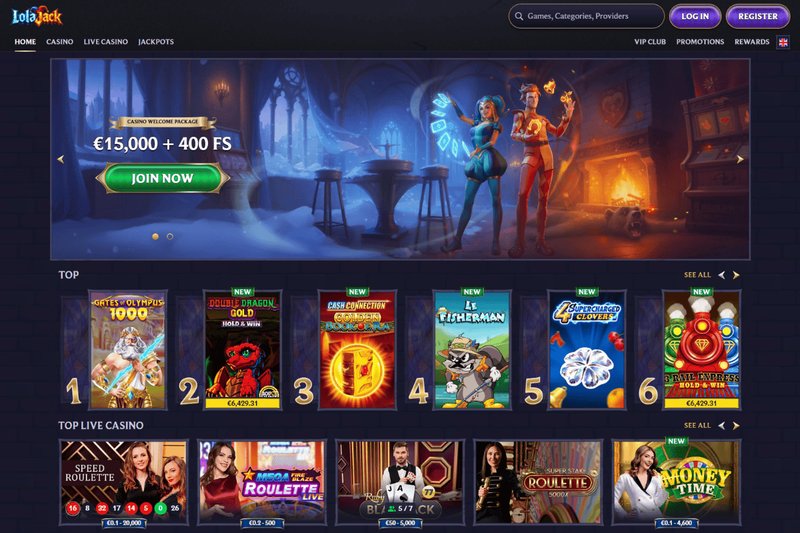
For many gamers, gaming is no longer just a hobby – it’s a way of life. As we’ve seen, gaming communities are becoming increasingly social, with gamers connecting with one another online and offline. If you’re looking to connect with like-minded gamers and join the fun, look no further than your local gaming community or online forums. And for those who prefer a more competitive atmosphere, a visit to a reputable betting destination like betting destination could be just the ticket – after all, there’s nothing quite like the rush of adrenaline that comes with competing in a high-stakes tournament.
The Future of Social Gaming Communities
As gaming continues to evolve and grow, we can expect social gaming communities to become even more prominent. With the rise of virtual reality and augmented reality, gamers will have new and innovative ways to interact with one another. Whether you’re a casual gamer or a hardcore enthusiast, one thing is certain – the future of gaming is social, and it’s only just beginning. The possibilities are endless, and the opportunities for connection and community are vast.
Conclusion
As we’ve seen, gaming has come a long way from the solitary activity it once was. With the rise of social gaming communities, gamers are now connecting with one another like never before. Whether you’re looking to connect with like-minded gamers, compete in high-stakes tournaments, or simply enjoy a fun and social gaming experience, there’s never been a better time to join the gaming community. So why not take the leap – and join the conversation?