

Jordan Footwear for Men: How to Choose Your Best Sizing
Nothing ruins the joy of unboxing a new pair of Jordans quicker than discovering they don’t fit right. You’ve waited weeks for the package, obsessively watched the tracking number, and now the kicks are either pinching your toes or sliding around your foot. It occurs more often than you’d believe — Jordan Brand gets thousands of sizing-related returns every month, and much of that hassle could be sidestepped with the right knowledge from the start. The honest truth is, Jordan sneakers fit differently from model to model. Distinct silhouettes, upper materials, and build techniques mean your size in an Air Jordan 1 won’t necessarily equal your size in an Air Jordan 11. This resource walks you through everything you need to understand about getting the perfect fit in Jordan shoes for men. By the time you have finished, you’ll never again question a Jordan size again.
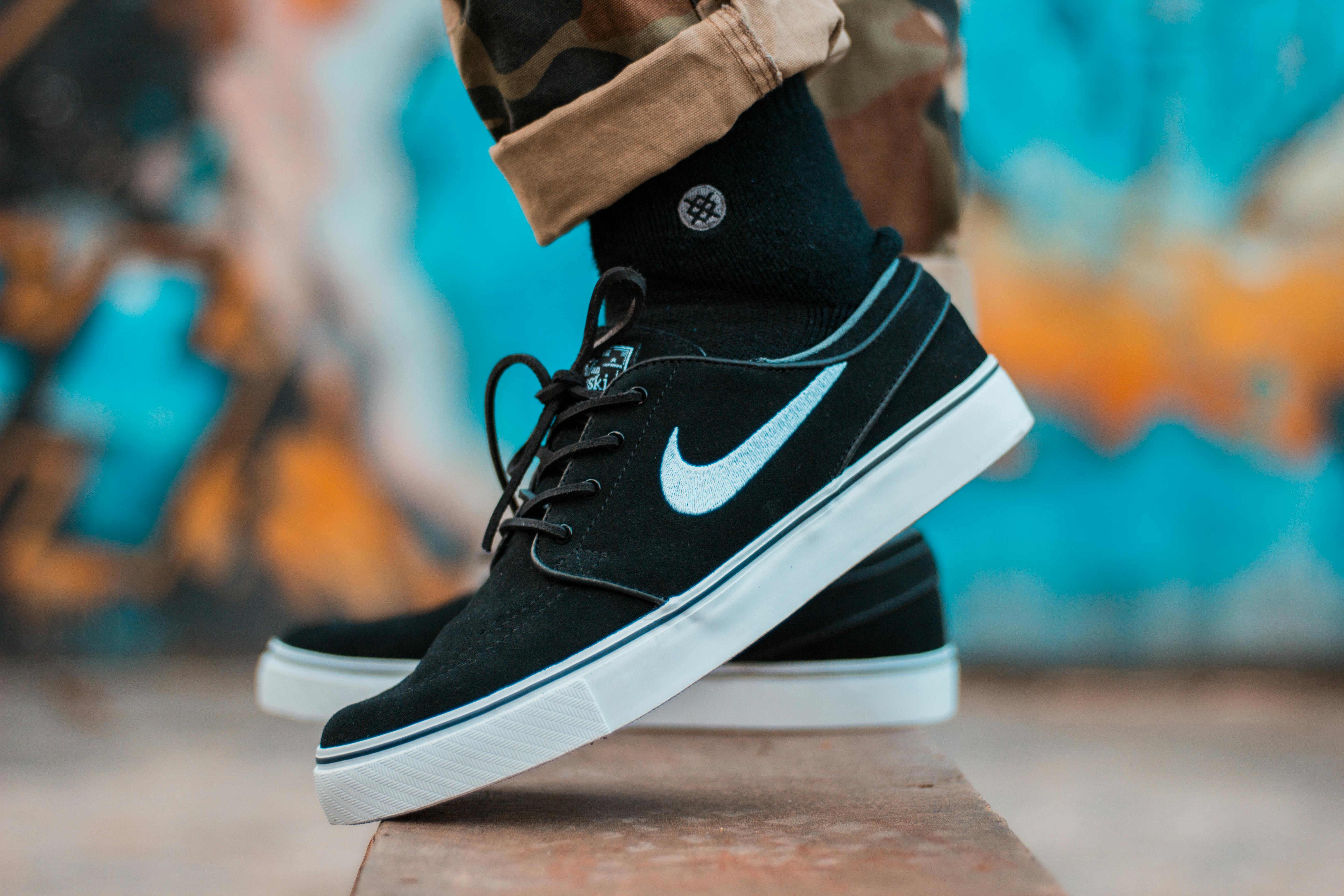
Why Jordan Sizing and Fit Is Complex
The general expectation is that footwear sizing is standard — a size 10 ought to be a size 10. But any person who’s had more than a few pairs of Jordans is aware that’s far from the truth. The Air Jordan 1 uses a cupsole design official website with a spacious toe box, while the Air Jordan 11 features a Phylon midsole with a narrower, athletics-focused fit. Fabric selections also play a role: leather gives and conforms over time, while patent leather and synthetics hold their shape. The manufacturing date can affect fit — retro reissues sometimes use different lasts than the originals from the ’80s and ’90s. Even within the same silhouette, different colorways using nubuck compared to tumbled leather can have different fits. Recognizing these differences is the gap between a pair that feels tailor-made and one going unworn in your closet.
How to Check Your Feet at Home
Prior to checking size guides, you need your real foot dimensions. Fasten a plain sheet of paper to a non-carpeted surface, step onto it with your full body weight spread evenly, and have someone trace the contour with a pen positioned at 90 degrees to the floor. Record the maximum length from heel to longest toe in centimeters — Nike uses centimeters as the baseline for size charts. Check both feet, because roughly 60% of people have one foot significantly bigger than the other; always go with the bigger foot. Do this in the late afternoon, as feet swell throughout the day and can be a half-centimeter bigger by nighttime. Include 0.5-1.0 centimeters to ensure proper toe room. Record both readings — you’ll return to these numbers every time you shop for Jordans online.
Per-Model Fit Breakdown
The Air Jordan 1 High OG fits true to size, though broad-footed individuals might want half a size up. The Air Jordan 3 fits slightly large due to its roomy toe box, so some consumers size half down. The Air Jordan 4 is tricky — the midfoot support cage generates structure that’s too tight for broad feet, making half a size up the go-to recommendation. The Air Jordan 11 fits true to size, but patent-leather material won’t give, so move up if between sizes. The Air Jordan 5 goes true to size with average width and pleasant tongue lockdown. For the Jordan 12 and 13, which use more rigid constructions with Zoom Air, going with your regular Nike size does the job for average-width feet.
| Jordan Silhouette | Fit Tendency | Guidance | Width Accommodation |
|---|---|---|---|
| Air Jordan 1 High OG | True to size | TTS / Half up for wide feet | Medium |
| Air Jordan 3 | Slightly large | TTS or half down | Wide-friendly |
| Air Jordan 4 | Tight midfoot | Half up for wide feet | Narrow |
| Air Jordan 5 | True to size | TTS | Medium |
| Air Jordan 6 | A bit tight | TTS / Half up for wide | Medium-narrow |
| Air Jordan 11 | True to size | TTS / Half up if between sizes | Medium |
| Air Jordan 12 | True to size | TTS | Medium |
| Air Jordan 13 | Slightly roomy | TTS or half down | Wide-friendly |
Getting to Know Foot Width
While foot length receives the most focus, lateral dimensions is frequently the hidden reason behind ill-fitting shoes. Standard Jordans come in D width (medium), which works for the majority of men. However, an estimated 25-30% of men have wider-than-average feet, and for them, many Jordan silhouettes feel uncomfortably snug across the forefoot even when the sizing is right. If you have above-average-width feet, seek out silhouettes with accommodating builds: the Air Jordan 3, Jordan 13, or AJ1 Low deliver more space in the toe box. Steer clear of styles with constraining structural elements — the Air Jordan 4 and Air Jordan 9 are well-known for pain on wider feet irrespective of size chosen. Some niche stores provide select silhouettes in wide (2E) sizing, though selection is sparse to standard colorways.
The Break-In Period
Most fresh Jordans have a real break-in period that improves the fit, so resist evaluating them completely on how they feel right away. Full-leather Jordans like the AJ1 and AJ12 normally need 5-7 days of daily wear before the leather loosens up and shapes to your foot. Synthetic and patent leather, found on the AJ11 and certain AJ4 editions, have little break-in because these materials don’t expand appreciably. Nubuck and suede uppers on the AJ4 and AJ5 land in the moderate range — they soften to a degree but won’t dramatically change shape. During wear-in, choose heavier socks and keep sessions to a few hours. If a shoe is causing real pain out of the box, it’s the wrong fit — no break-in will fix that.
How to Buy Jordans Online
Buying Jordans online is commonly the only way for limited releases, and nailing the correct size without physically testing them calls for a systematic strategy. Make sure to read listing details for sizing notes — Nike often adds “runs small, order half size up” suggestions for models known to fit differently. Review buyer feedback paying attention to fit observations, especially from buyers who share their foot measurements or reference the fit to other shoes you have. On resale platforms like StockX or GOAT, exchanges typically aren’t accepted, which makes sizing accuracy incredibly important — when in doubt, go up rather than down, because a bit roomier shoe can be improved with cushioned socks or an added insole, while a too-small shoe has no easy answer. The Nike app’s Nike Fit tool uses your phone camera to scan feet and provide sizes for specific models, offering a valuable data point to verify with user feedback. Order from sellers with free returns — Nike.com, Zappos, Nordstrom — for a fallback option when testing new models you haven’t worn before.
Final Tips on Socks, Returns, and Fit
Your sock choice influences fit more than you’d think. Ultra-thin invisible socks leave additional space that results in the heel sliding, while bulky basketball socks introduce 2-3 millimeters of volume that can push a snug shoe into painful territory. Medium-weight cotton crew socks are the best all-around option for most Jordan models. For court use, breathable athletic socks from Nike Elite or Stance optimize both support and comfort. When taking measurements or trying on shoes, be sure to wear the sock type you plan to use with your Jordans. As for returns: if your toes hit the toe box, the shoe is undersized — no wearing in will solve it. Heel slippage when fully laced means it’s too big. Discomfort across the instep signals the shoe’s overall capacity is not enough. Most sellers offer 30-60 day return periods, and Nike members get a extended 60-day testing window. Refuse to let attachment to the purchase keep you in ill-fitting sneakers — returning and holding out for the perfect fit is consistently the smarter move.
For official size charts and the Nike Fit sizing tool, visit Nike’s sizing page.